Structural Integration · Rolf Lineage · Boca Raton

Your posture isn't a habit. It's a structure — and structure can change.

Structural Integration is the deep, systematic reorganization of the body's connective tissue — ten designed sessions that take the body apart the way it was compensating and put it back together the way it was built to stand. Not ten massages. One process.

This is the deepest work I do. It's also the work I've spent thirty years training for.

The Lineage

Ida P. Rolf, PhD → Bill Williams, PhD (SOMA) → George Kousaleos (CORE Institute) → Don Stanley

Trained in Structural Integration in the direct Rolf lineage — CORE Institute, Tallahassee — with further study under Rolf-trained teachers Erik Dalton and Ari Globerman. Three independent lines back to the source.

What Structural Integration is

The body organizes around its history. SI gives it a better idea.

Every injury, every desk year, every guarded shoulder leaves its record in the body's fascia — the connective tissue web that holds everything in relationship to everything else. Over decades, the web adapts to the compensations until the compensation IS the posture.

Structural Integration works that web directly — slowly, deeply, and in a deliberate order — so the body can reorganize around gravity instead of around its history. The classical form is a ten-session series, each session with its own territory and its own job, each building on the last.

People finish the series taller, easier in their breath, moving with less effort — and the changes hold, because we didn't chase symptoms. We changed the structure they were coming from.
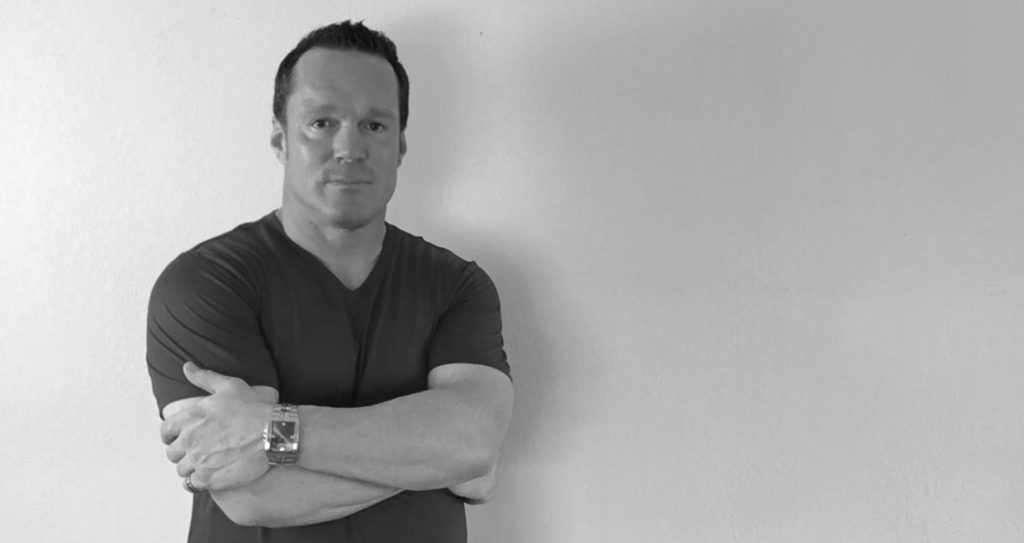
Structural Integration bodywork — Don Stanley

Sessions 1–3

The Sleeve

The superficial layers. Free the breath, build the base of support, open the sides. The body learns it's safe to reorganize.

Sessions 4–7

The Core

The deep structure, from the ground up — inner leg, pelvic floor, psoas, sacrum and spine, head. The vertical axis of the body.

Sessions 8–10

Integration

Core and sleeve united across the shoulder and pelvic girdles; the joints brought level; the body handed back in working order.

The Classical Series

Ten sessions. Each with its own job.

This is the map. Every body walks it differently — but the order is the method, refined over sixty years.

1

Opening the Breath

The superficial front — ribcage, diaphragm, shoulder junction. Freedom to take in more air, and more life.

2

Footing

Feet and lower legs — living arches, a true ankle hinge. Standing on your own two feet.

3

The Lateral Line

The side seam, ear to ankle — giving the body its depth. Room to take your place in the world.

4

The Inside Line

Inner arch to pelvic floor — the first core session. Support that comes from within, not from bracing.

5

The Front of the Spine

Psoas and abdomen — walking initiated from the core. Moving from what you actually want.

6

The Back Line & Sacrum

Heels to crown up the back — freeing the sacrum. Letting the back let go of what's over.

7

The Crown

Head, neck, and jaw balanced on the finished core. Putting the head on straight — literally.

8

Integration I

The first girdle — pelvis or shoulders, chosen by your pattern. Segments learning to cooperate.

9

Integration II

The second girdle — contralateral spirals, arms riding on breath. Power expressed with ease.

10

Closure & Order

The joints brought horizontal, tone made even, the body handed back. The work now lives in how you move.

"The goal is not perfection. The goal is order."

— Ida P. Rolf, PhD

Is the series for you?

The right work for a body with a long story.

The series fits when —

  • The same complaints have cycled for years despite good treatment
  • Your posture has visibly changed and you feel "stuck" in it
  • Old injuries healed, but the body never reorganized around the repair
  • You want a process with a beginning and an end — not open-ended maintenance
  • You're willing to show up for ten sessions and do simple work between them

Start elsewhere when —

  • You have one recent, specific complaint — clinical sessions address it faster
  • Your goal is sport-specific performance — start with the performance eval
  • You're in an acute flare-up — we settle it first, then consider the series
  • You can't commit to the rhythm right now — the series works best on a steady cadence

The Investment

Priced by the session. Designed as a whole.

The series is booked session by session — no big upfront commitment, and you can stop at any point. In practice, almost nobody stops: each session sets up the next, and the body starts asking for the rest of the map.

Sessions are scheduled one to three weeks apart. The full series takes roughly three to five months — and the reorganization it produces is measured in years.

Series clients get a standing appointment: when you commit to the ten, your day and time are pre-reserved for the entire series. Same slot, same room, all the way through — your calendar and your body both get a rhythm.

Structural Integration

$225 / session

90 minutes · ten-session classical series

  • Full structural assessment woven through session one
  • Each session's territory, explained as we work
  • Movement integration between sessions — simple, specific
  • Your standing time slot, pre-reserved for the entire series
  • Private room, one-on-one, Boca Raton
Begin With Session One

Limited weekly availability

Ready to change the structure the symptoms come from?

Call or text to talk about the series. I personally answer — and I'll tell you honestly whether the ten-series is the right tool for your body, or whether something simpler will serve you better.